Tromso Winter Weather and Daylight Hours Explained
See prices From 35 EUR · Free cancellation available
Contents
Tromso winter weather is colder than most first-time visitors expect but rarely dangerous, typically running between -5C and -15C on a clear tour night, with the biggest surprise for many travelers being the polar night itself: a stretch from late November to mid-January when the sun never rises above the horizon at all. Here is what I would actually plan around: pack for real cold, not just “winter jacket” cold, and treat the polar night as an asset for aurora chasing rather than something to dread. This guide covers what to expect from the temperature, the darkness and the cloud cover, so nothing about your trip catches you off guard.
How Cold Does It Actually Get in Tromso in Winter?
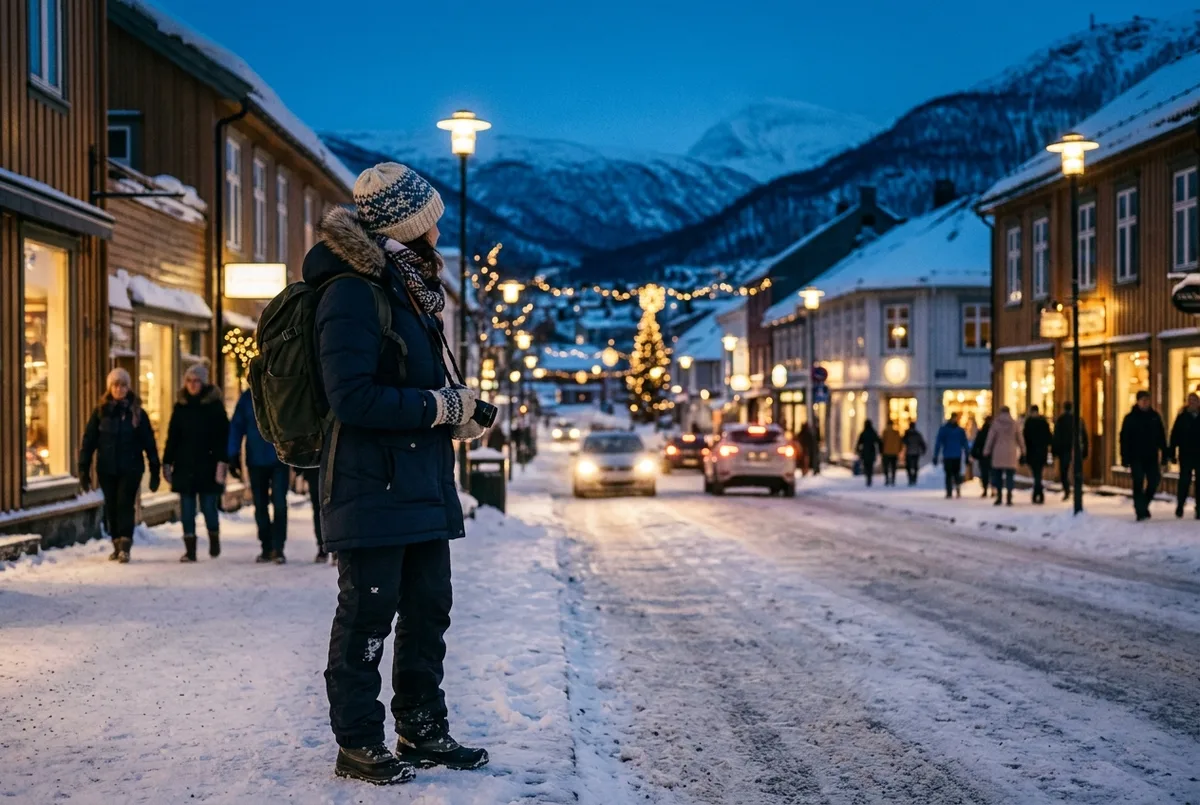
Daytime temperatures through the core season typically sit between 0C and -10C, with clear, calm nights, the exact conditions you want for aurora viewing, often dropping to -10C to -15C or occasionally lower once you are standing still at a viewing spot for an hour or more.
I would not judge the cold by the daytime forecast alone. Standing outside at a dark viewing camp after dark is a different experience than walking around the city center, since wind chill and the simple fact of not moving both push the felt temperature well below whatever the app says for that afternoon.
Check prices & dates
Ready to visit?
Book your tickets in advance: popular time slots sell out.
What Is the Polar Night, and When Does It Happen in Tromso?
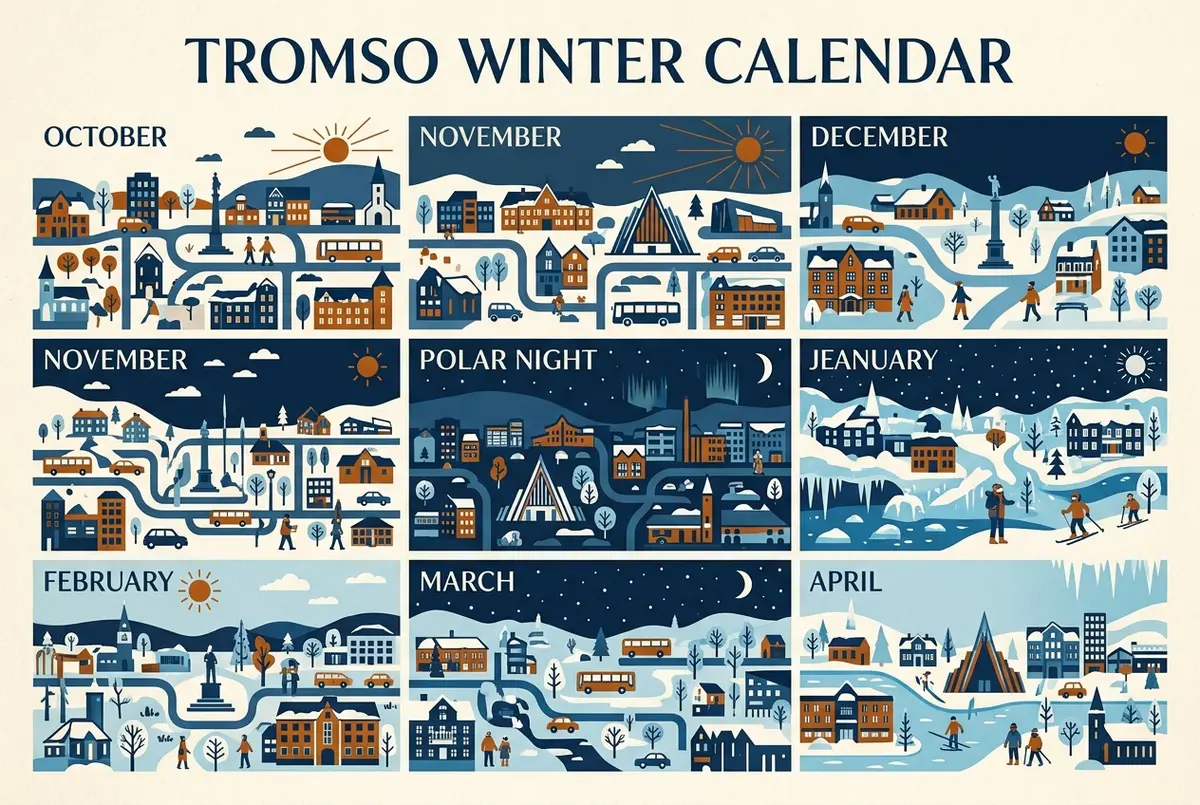
The polar night is the period when the sun stays below the horizon all day, and in Tromso it runs from roughly late November to mid-January. During this stretch you get a soft blue twilight around midday rather than full darkness, but no actual sunrise.
I would treat this as one of the best-kept secrets of a winter Tromso trip rather than a downside. More hours of usable darkness each day means more hours your guide has to work with when chasing a gap in the clouds, which is a genuine advantage over shoulder-season visits with a full daytime sun cycle.
How Many Daylight Hours Does Tromso Get Outside the Polar Night?
Just before and after the polar night, roughly October to late November and mid-January through February, Tromso gets a few hours of genuine daylight, gradually lengthening as you move toward spring. By late February you are already seeing several hours of proper daylight again.
I would use this to plan your daytime activities. Shoulder weeks around the deep polar night give you enough daylight to sightsee comfortably during the day and still leave you with a long, dark evening for the aurora hunt, which is a nice middle ground if total darkness sounds intense.
Does Cloud Cover Vary a Lot Through the Season?
Yes, night to night and week to week, and this matters more to your actual sighting odds than the underlying solar activity does on any given evening. Tromso’s coastal position means fast-moving weather systems can bring a clear patch through quickly, or just as quickly bring in cloud that blocks an otherwise strong display.
I would not judge your trip on a single night’s forecast. A guide who is actively tracking live weather cameras and can pivot the route toward a clearer patch of sky gives you a real edge over staying put and hoping the clouds above your hotel happen to clear, which is exactly the logic behind most guided Tromso Northern Lights tours.
How Much Snow Should You Expect?
A lot, and it builds steadily through the season. Streets and pavements are well managed with proper winter maintenance, but expect snow and ice underfoot pretty much everywhere from December onward, which is worth knowing before you pack your footwear.
I would prioritize genuinely waterproof, insulated boots with real tread over anything resembling regular winter sneakers, since city sidewalks can be just as icy as a rural viewing spot on a cold night.
Does the Weather Change Much Between Early and Late Winter?
Somewhat. Early season, late September through November, tends to run milder with more variable weather as the true Arctic cold sets in gradually. By January and February you are in the coldest, most stable stretch, often with better odds of a genuinely clear night once a cold, dry air mass settles in.
I would lean toward January or February if consistently cold, clear conditions matter more to you than a slightly milder trip. My guide to the best time to see the northern lights in Tromso breaks this down month by month if timing is still an open question for your trip.
Does Wind Make the Cold Feel Worse on a Tour?
Yes, noticeably, and it is one of the most underrated factors in how a Tromso winter night actually feels. A calm -10C evening standing at a viewing camp is manageable in good layers, but the same temperature with even a moderate coastal breeze can feel considerably colder against exposed skin.
I would pay more attention to wind in the forecast than to the raw temperature number alone. A windproof outer layer matters as much as the insulation underneath it, since wind is what actually drives the felt cold down on an otherwise tolerable night.
Is There a Real Risk of a Tour Being Cancelled for Weather?
Rarely for cold alone, since Tromso’s operators run through genuinely cold nights as a matter of course. Cancellations are more tied to genuinely dangerous conditions, like a severe storm or roads made unsafe by ice, than to ordinary winter cold.
I would not worry that a normal cold snap will cancel your booking. Most listings, including the ones compared on this site’s Tromso Northern Lights tours page, only cancel for conditions that would make the drive itself unsafe, not for cold that simply requires proper layering.
Should Weather Change What You Pack?
Yes, significantly, and I would not rely on a single jacket to cover both a mild October evening and a -15C January night. My guide to what to wear on a northern lights tour breaks down the layering system that actually holds up against real Tromso winter weather, not just a generic packing list.
I would build a proper layering system regardless of which month you are visiting, since even a “mild” Tromso winter night is still genuinely cold once you are standing still outdoors for an hour waiting on the sky.
Does the Weather Affect Which Tour Format You Should Choose?
Somewhat. A boat-based cruise puts you on open water where wind chill can bite harder than on land, while a bus-based chase gives you a heated vehicle to retreat to between stops, and a glass-roofed option lets you keep watching the sky without stepping outside at all.
I would factor your own cold tolerance into the tour format, not just the destination. If standing on an open deck for three and a half hours sounds miserable rather than atmospheric, a bus-based chase with a heated cabin is the more comfortable choice regardless of what the thermometer says that night.
My Honest Recommendation
I would not let Tromso’s cold or the polar night talk you out of a winter trip. Once you know what to actually expect, dress for real cold rather than a generic winter jacket, and understand that cloud cover, not temperature, is the variable that actually decides your night, the weather stops being a worry and becomes just another factor your guide is already managing for you.
If you are choosing between the deep polar night and a shoulder-season trip with a bit of daylight, I would pick based on what you want your days to look like, not your aurora odds, since both windows give you a genuine shot at clear, dark skies once evening comes.
Frequently Asked Questions
How cold does it get in Tromso during aurora season?
Typically -5C to -15C on a clear tour night, sometimes colder at a standing viewing spot, though daytime temperatures in the city center often run milder.
What is the polar night in Tromso?
The period from roughly late November to mid-January when the sun never rises, replaced by a soft blue twilight around midday and full darkness the rest of the time.
Does Tromso get much daylight in winter?
Outside the deep polar night, roughly October to late November and mid-January through February, you get a few hours of genuine daylight, lengthening as you move toward spring.
Is snow a problem for getting around Tromso in winter?
Streets are well maintained, but expect snow and ice underfoot from December onward, so pack proper insulated, waterproof boots with good tread.
Does the weather affect whether you’ll see the northern lights?
Yes, cloud cover matters more night to night than solar activity does, which is why a guide actively tracking the forecast improves your odds more than the calendar month alone.